
Retirement is a time to experience and savor all the things you couldn’t do when you were working. Still, the transition into retirement will require a variety of adjustments. You’ll find that you will approach many things from a different perspective. That’s especially true when it comes to investing.
The big difference? You’ll be investing for post-retirement income rather than for pre-retirement accumulation. And that requires some modification of your investing strategy. Keep the following points in mind as you plan for the financial aspects of your retirement.
Determine How Much Investment Risk You Can Take
Your risk tolerance will likely change in retirement. Risk tolerance is the ability to accept the chance of losses from an investment in exchange for the possibility of achieving higher returns. As a retiree, you won’t have a steady, regular salary. You’ll want to invest in such a way that your assets will support you through all the years of your retirement. This will require some caution. Why? In case of a downturn in the stock market, for example, it could take more time than you have available to regain any losses your portfolio might suffer. A big loss in your portfolio could hamper your retirement plans. That’s why you’ll need to carefully review the types of investments you include in your portfolio.
Assess Potential Investments
Generally, investors tend to focus more on asset preservation than asset growth in retirement. That may mean reducing the percentage of higher risk investments, such as stock funds, that you include in your portfolio and adding less volatile, income-producing assets, such as bonds and cash equivalents. You may also want to investigate other income-producing options such as annuities, preferred stocks, and certificates of deposit. Bear in mind, however, that the suitability of these investments may vary greatly from investor to investor, depending on overall circumstances and risk tolerance.
Factor in Inflation
While the safety of your assets during retirement is critically important, you’ll also have to consider the effects of inflation. If you want to maintain your standard of living throughout your retirement years, being able to absorb the impact of inflation is important. To combat the effects of inflation, you will want your investments to earn a rate of return that’s greater than the annual inflation rate.

Your primary task, then, should be to create a portfolio mix that provides protection against both inflation and the potential for large investment losses. That may require investing a portion of your portfolio in stocks, which have the greatest potential to earn inflation-beating returns. However, the percentage you allocate to stocks should be such that a potential downturn in stock values would not threaten the overall health of your portfolio.
Determine a Reasonable Distribution Rate
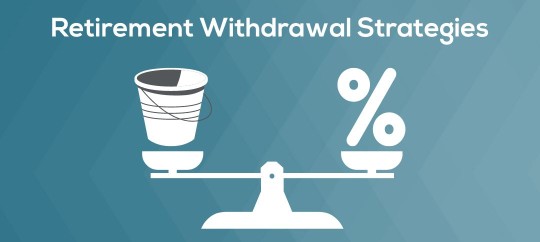
Since you’ll no longer be receiving a regular paycheck, you’ll have to take money from your savings every year to cover your living expenses. The challenge for you is to estimate the amount you can safely withdraw each year and still have enough to live on for the rest of your retirement. Of course, the return you earn on your investments and the impact of inflation will affect your withdrawal rate.
While it’s hard to predict exactly how much income you’ll need in retirement, setting your withdrawal rate too high could deplete your retirement nest egg sooner than you anticipate.
Your situation is unique, so be sure to consult a professional before taking action. Our team is here to help and ready to answer your questions. Reach out to our team today.