Retirement Planning | Trust Point | La Crosse, Eau Claire, Minneapolis
General Inquiry 800-658-9474 401(k) Employee Inquiry 800-716-3742
Retirement Planning

Strategies to Provide Peace of Mind

Because there are so many factors that can impact your retirement, a one-size-fits-all approach doesn’t work. At Trust Point, our retirement planning services are tailored for your specific needs, finances and goals. Our experienced professionals work with you to develop a plan that ensures the worry-free retirement you’ve worked so hard to achieve.

Ashley Deobald

Stress-Free Solutions

Retirement planning can be an overwhelming experience and you will likely have many questions. Having the help of a financial professional can help you be financially prepared for the next stage in your life.

Trust Point is here to help you transition to retirement, stress-free. Our team of professionals brings insights on a variety of financial topics, along with state-of-the art tools to help build a retirement plan that aligns with your goals, values and risk tolerance.

Preview of Trust Points Retirement Lifestyle Quiz

What's Your Retirement Lifestyle?

What do you want life to look like when the pace finally slows? Defining that vision is the first step toward making it a reality. Take our Retirement Lifestyle quiz to discover which retirement lifestyle fits you best: Explorer, Connector, Steward, or Seeker.

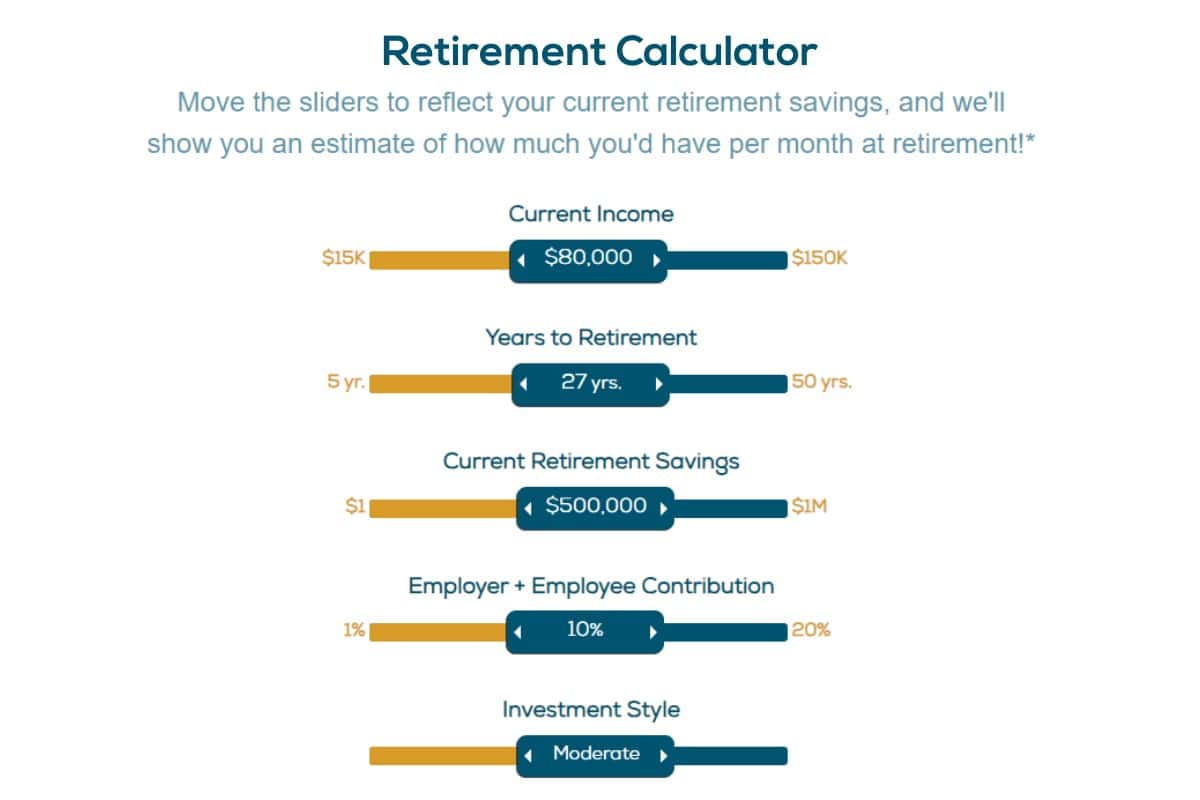
Try Our Retirement Calculator

How much money you will you have each month during retirement? Get an estimate in under a minute with our simple retirement calculator.


Retirement Calculator

Other Insights People Have Been Viewing

Retired Man and son looking at computer

The Basics of Medicare

Medicare is the federal government program that provides health care coverage (health insurance) if you are 65+, under 65 and receiving Social...
Read More

Why Working with Your Spouse on Financial Planning Offers Security

In her over two decades working in the financial industry, Trust Point’s Christine Schmidt, CFP®, has seen a gradual shift in women’s...
Read More
Trust Point team members reviewing the menu of services

How Financial Planning Can Simplify Your Finances and Protect Your Legacy | Trust Point

When it comes to managing wealth, choosing the right partner is one of the most important financial decisions you can make. Trust...
Read More

Retirement Planning FAQs

When should I start retirement planning?

You should start planning for retirement as early as you can to take advantage of compound interest. However, it is never too late to start saving for retirement – whether you’re in your 30’s or 60’s, there are strategies you can use to save. 

If your employer has an employer-sponsored retirement plan, start saving with it, and take advantage of the full match as soon as you can. If your employer doesn’t have a retirement plan, you can open an IRA savings account on your own. If you started later than you would have liked, you can start making catch-up contributions at age 50. Once you’re nearing your 60’s, a common decade for retirement, planning for your retirement with the help of a financial professional can help you determine how many years your savings will support.

How does Trust Point help clients prepare for retirement?

Planning for retirement can feel overwhelming and leave you with many questions – How much do I need to save? How long will my retirement last? Our team of financial professionals has years of financial and retirement planning experience and are here to guide you along the way. We look at your current financial situation, listen to your goals, and help you come up with a plan to achieve them. Additionally, we have tools like the Retirement Calculator and Retirement Lifestyle Quiz, and a blog full of resources to help guide you along your retirement-planning journey.

What factors should be considered when creating a retirement income plan?

When creating a retirement income plan, it’s ideal to consider five key steps:

  1. Evaluate your current financial situation: Know your income sources, expenses for basic living needs, and prepare for potential healthcare expenses. 
  2. Set realistic goals: Where do you want to live in retirement? Do you plan to travel? Do you want to set aside money to save for your family?
  3. Diversify your income sources: A combination can help you manage risk and potentially increase your overall income stability
  4. Define a withdrawal strategy: Your planned withdrawal strategy will need to be sustainable, and you’ll want a plan to know where you will pull income from first – tax-deferred (401(k), 403(b), and traditional IRAs), tax-free (IRAs and Roth 401(k)s), or after tax accounts(brokerage, joint investment, and other non-retirement investment vehicles).
  5. Avoid common mistakes: overlooking inflation, not creating a flexible retirement plan, counting on one income source, and considering a shorter retirement than expected are common retirement planning mistakes we see. Plan ahead today.

How does retirement planning connect with investment management, tax planning, and estate planning?

Investment management, tax planning, and estate planning are interwoven into retirement planning.


How you invest throughout your lifetime will have an impact on your total retirement savings. As you near retirement, your investment strategy and portfolio will likely change and become less risky as your investment timeline shortens.

Which accounts you choose to use for retirement planning ultimately revolves around tax planning. You will need to decide whether you will save through a tax-free, tax-deferred, or after-tax account.

When it comes to estate planning, your retirement funds are part of your total wealth that you build throughout your lifetime. Estate planning involves the preservation and transferring of your funds upon death. Ensuring your beneficiaries are up-to-date through your retirement planning journey helps ensure your assets are transferred to whom you wish as they can override what is stated in your will or estate plan.

How often should a retirement plan be reviewed?

It’s a good idea to review your retirement plan at least once a year when you are 5-10 years from retirement. An annual review also gives you the opportunity to evaluate your investment allocation, retirement income plan, tax strategies, beneficiary designations, and overall financial goals. Regular reviews help keep your plan aligned with your evolving needs and provide greater confidence as you move through retirement.


If you are farther from retirement, reviewing your plan every few years is okay. If you experience a major life event, such as retiring, changing jobs, receiving an inheritance, getting married, welcoming a grandchild, or experiencing a significant change in your health or finances, these can all affect your long-term strategy and prompt a retirement plan review as well.

Does Trust Point help clients who are already retired as well as those preparing for retirement?

Yes. Trust Point helps individuals and families both prepare for retirement and navigate retirement with confidence. For those approaching retirement, we help answer important questions like when you can retire, whether your savings will last, and how to create a sustainable retirement income plan.

For clients who are already retired, we focus on retirement withdrawal strategies, tax optimization, and preserving wealth for future generations. Because retirement planning is an ongoing process, we regularly review and adjust your plan as your goals and circumstances evolve.

Personal Service, Professional Expertise

As a fiduciary, we believe that doing what’s best for our clients is what’s best for Trust Point. For over a century, we have offered a full range of financial services to individuals, families, businesses and charitable organizations. Our goal is to prepare you for your retirement so you can live for today!

triangle shape over image of man with golf bag
I’m Interested in Your Services Question about my 401(k)