
In today’s digital world, scams are more prevalent and convincing than ever. Fraudsters use email, text messages, phone calls, and even social media to steal personal information and gain access to financial accounts.
No one is immune, but awareness goes a long way. By spotting the warning signs and adopting a few simple habits, you can stay one step ahead.
Recognize the Red Flags
Scams often rely on urgency or misplaced trust. While tactics may vary, most follow familiar patterns. Common warning signs include:
- Pressure to act immediately
- Requests for personal or financial information
- Suspicious or unfamiliar links
- Payment requests via gift cards, wire transfers, or cryptocurrency
- Promises that seem too good to be true
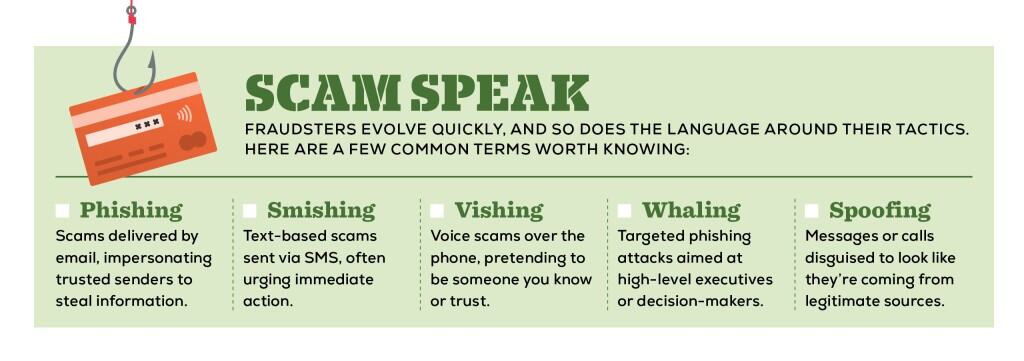
These red flags often appear in phishing emails, scam texts, and fraudulent phone calls. Many impersonate trusted organizations or individuals, making them harder to spot at first glance.
How to Stay Safe
Scammers are clever, but small changes in your routine can go a long way.

- Safeguard Your Personal Information: Avoid posting your birthdate, address, or travel plans online. Never share passwords or account numbers by phone or email.
- Pause Before You Click: Hover over links to preview the real destination. If something looks off (or contains subtle typos like goggle.com instead of google.com), don’t click.
- Be Cautious with Attachments: Avoid downloading files you weren’t expecting. If something feels off, verify the request through a known contact method, such as a phone call.
- Monitor Your Accounts: Set up alerts with your bank and credit card providers. Review statements regularly and request your free credit report each year at annualcreditreport.com.
If something doesn’t feel right, trust your instincts. It’s always better to pause and verify than to act on impulse.
If You Think You’ve Been Targeted
Even with precautions in place, scams can still happen. Acting quickly helps minimize damage. If you believe your information has been compromised, take action and follow these steps right away:
- Contact your bank or credit card provider
- Change passwords
- Secure your email account and update recovery options
- Consider identity protection or credit monitoring
- Report it to the Federal Trade Commission at reportfraud.ftc.gov
- Take the next step to protect your accounts and enable multi-factor authentication
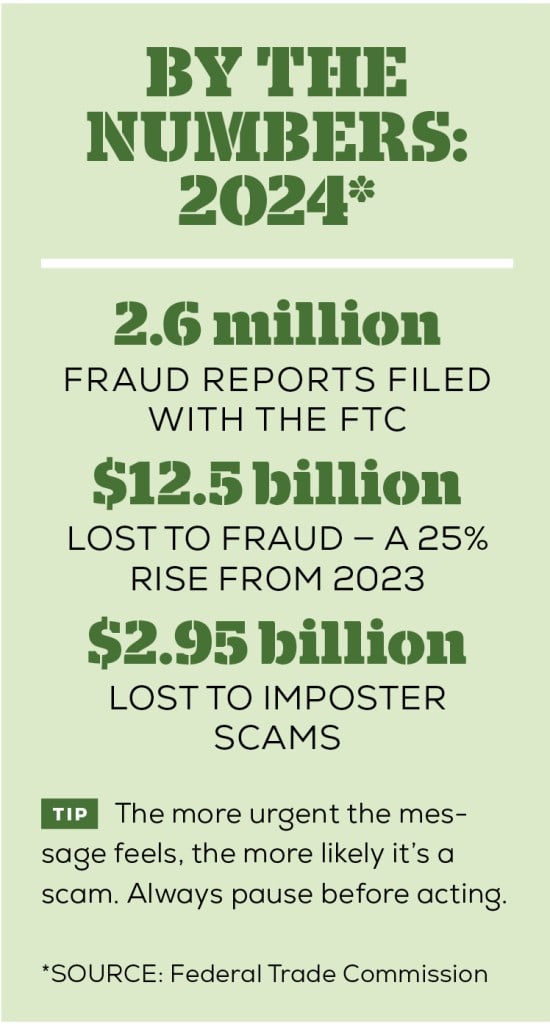
![Scams by the numbers stats]()
How Trust Point Helps Protect You
Cybersecurity is a shared responsibility, and at Trust Point, we take our role seriously. Along with helping clients stay alert, we maintain strict internal safeguards:
- Verification protocols for unusual transactions
- Regular security updates and system reviews
- Ongoing employee cybersecurity training
- Monthly phishing simulations
We also encourage clients to call us if something feels off. Speaking to a real person who knows your account can help stop scams before they escalate.
Staying Ahead of New Threats
Scam tactics are always evolving, which is why we work closely with our software vendors and cybersecurity experts to stay informed. From technical updates to process improvements, we’re continuously enhancing protections behind the scenes.
Cybersecurity is not a one-time task — it’s an ongoing effort built on education, vigilance, and partnership. While you stay alert, we’re working every day to reduce risk and keep your information safe.
Did you like this article? Explore more insights and stories from the Trust Point Magazine, designed to help you simplify and secure your wealth. Request Your Complimentary Copy
By: Lance Christian, Process Integration & Automation Analyst