Tips for preventing, recognizing, and recovering from a scam
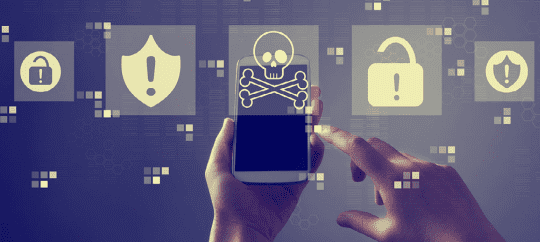
As technology evolves, so do the methods scammers use to target individuals and their finances.
With more platforms available — including email, malicious websites, online ads, and pop-ups — contemporary con artists have the means to reach everyone, everywhere. Employing technological savvy and emotional manipulation, they craft convincing schemes to steal money. And falling for a scam can happen to anyone.
How to Prevent Scams
Phishing scams attempt to steal money or your identity by using personal information like passwords, bank information, Social Security or credit card numbers, and passwords. Cybercriminals often use websites that seem legitimate to lure individuals to provide their information. They often use a fake message that contains a link to a ‘pretend’ or phishing website that appears to be a reputable company. These messages can also look like they are coming from a co-worker, friend, or family member making it seem authentic.
The best and easiest way to prevent a phishing scam is to not click on any links in messages unless you are expecting an email or you can trust the sender. Pop-up windows can often be enticing or they may contain messages that create a sense of urgency or contain threats. They may even say they already have your information, or a picture or video of you or a family member. These are easy to get lured into, but don’t fall for it. Take a moment to carefully examine it before you proceed.
Internet scams are just one way scammers steal money. Fraud can take place over the phone, through mail, and elsewhere. Consequently, personal vigilance and proactive measures are important. Here are some tips:
- Sign up for Informed Delivery by the United States Postal Service — each morning you will receive an email with the image of the actual envelope of mail scheduled to arrive in your mailbox and tracking for packages. This will alert you if something, like a credit card, was snatched out of your mailbox. (informeddelivery.usps.com)
- Set up alerts on your bank account — this is helpful for several reasons, but it is a quick way to see transactions that you have not personally initiated.
- Frequently manage passwords — make sure to update your passwords at regular intervals and only use strong passwords with a mix of uppercase and lowercase letters, numbers, and special characters.
- Screen unknown phone numbers — phone scams are extremely popular. Do not answer phone calls or text messages from unknown numbers. Let phone calls go to voicemail, and only call back if it’s someone you know.
- Never send money to a person you haven’t met — this includes gift cards, wire transfers, and cryptocurrency.
- Build trust between generations — reach out and talk to your family members about how to avoid a variety of scams: how to identify a fraudulent caller, how to block pop-up windows, how to identify suspicious online deals, and more. Building rapport and trust around this subject can help you feel comfortable reaching out if something happens.
- Resist the pressure to act immediately — if you find yourself in a suspicious situation, slow down. Oftentimes, these scams will put you in an emergent situation where you will feel the need to act quickly. This is a tactic. It’s ok to stop, pause, and think.
What to do if You’ve Been Scammed
While it’s unfortunate, you’re not alone. Over 2.8 million people fell victim to a scam in 2021 and lost over $5.8 billion, according to the Federal Trade Commission (FTC) — and that’s just what was reported.
If you’re concerned you’ve been scammed, you should:
- Reach out to a trusted relative to help you.
- File a police report.
- Change your bank and savings accounts.
- Check your homeowners insurance for coverage regarding unauthorized financial transactions.
- Report scams to your state Department of Commerce’s senior financial ombudsman, if applicable.
- File a report with the FTC or the FBI’s Internet Crime Complaint Center (IC3) for internet scams.
Trust Point has Your Back
At Trust Point, we have great relationships with our clients. With our individualized approach to investing, we strive to know every investor on a personal level. If you receive a suspicious solicitation or are a victim of a scam, please reach out so we can help. We have experience and resources to report fraud and, if necessary, begin legal action.
You can rest assured that your investments at Trust Point are secure. We take protective measures to ensure that a scammer cannot use your Trust Point account number to initiate a bank transfer.
Swift action is critical to protect your finances if you are scammed. While embarrassment may be a natural reaction, it is important to realize that scammers are sophisticated, ruthless, friendly, and prey on all ages. They do not discriminate. It takes all of us working together to defeat them.